Macronutrient Vectors
An objective analysis of the primary structural components required for sustained energy. Deconstructing food into its functional variables.
The Fallacy of Exclusion
Modern trends often advocate for the complete exclusion of certain macronutrient groups. Informational data suggests this creates structural instability in a long-term routine, particularly for men operating in high-stress cognitive environments.
Functional Addition
Instead of focusing on what to avoid, the analytical approach focuses on ensuring optimal input. Each macronutrient serves a distinct physiological purpose. When properly portioned, they work synergistically to provide steady glucose release, preventing the erratic energy spikes associated with unmanaged diets.
This framework is entirely agnostic to specific cuisines. The principles apply equally to a traditional Nigerian meal as they do to a continental corporate lunch.
Vector Categorization
Protein Synthesis
Maintenance & Satiety
Fundamental for the repair of physical tissues and the stabilization of hunger cues. Adequate inclusion reduces the desire for intermittent grazing.
Carbohydrate Load
Primary Energy
The preferred source of energy for cognitive function. The informational strategy dictates prioritizing complex variants to ensure slow, sustained metabolic release.
Lipid Profiles
Absorption & Regulation
Required for hormone synthesis and the absorption of fat-soluble vitamins. High caloric density necessitates moderate, structural inclusion rather than volume.
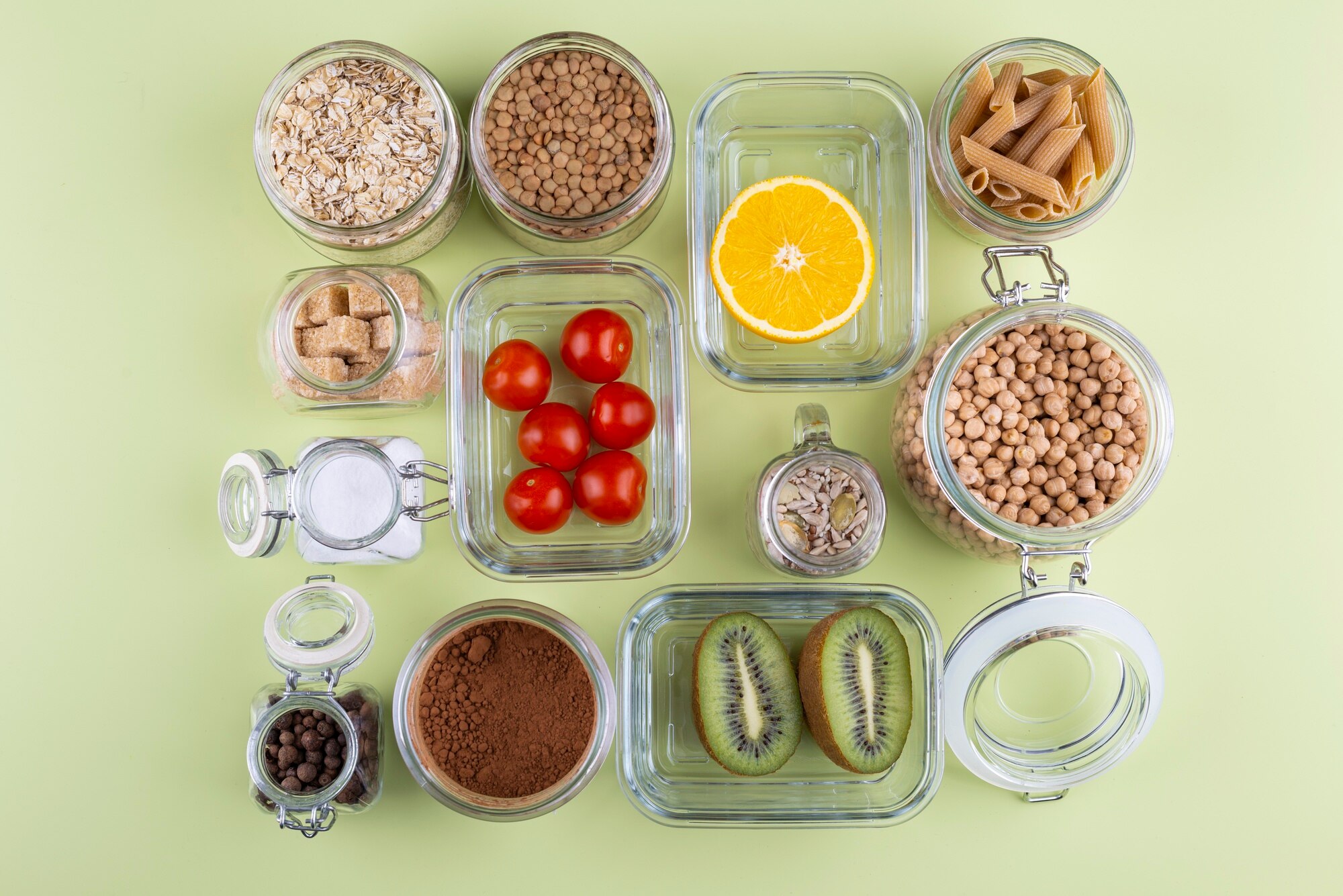
Data Over Aesthetics
The goal is functional fuel, not visual perfection. Focus on the ratios, not the presentation.
Structural Comparison
| Variable | Standard Habitual Diet | Giyirud Framework |
|---|---|---|
| Plate Composition | 70% Carbohydrate / 15% Protein / 15% Fat | 50% Fibrous / 25% Protein / 25% Carbohydrate |
| Energy Curve | Rapid spike followed by steep lethargy (crash). | Sustained, linear release over 3-4 hours. |
| Preparation Method | Reactive; decided at the point of acute hunger. | Proactive; decided during weekend planning phase. |
Operational Axioms
Volume vs Density: Utilize fibrous vegetables to create physical volume and satiety without increasing caloric density.
Hydration Baseline: Establish a rigid water intake protocol. Thirst is frequently misinterpreted by the neurological system as hunger.
Ingredient Integrity: Prioritize foods that exist in their natural state over those that have been heavily processed for shelf-life.
Proceed to Chronology
Understanding components is step one. Step two is mapping them to a daily timeline.
Access Module 02